
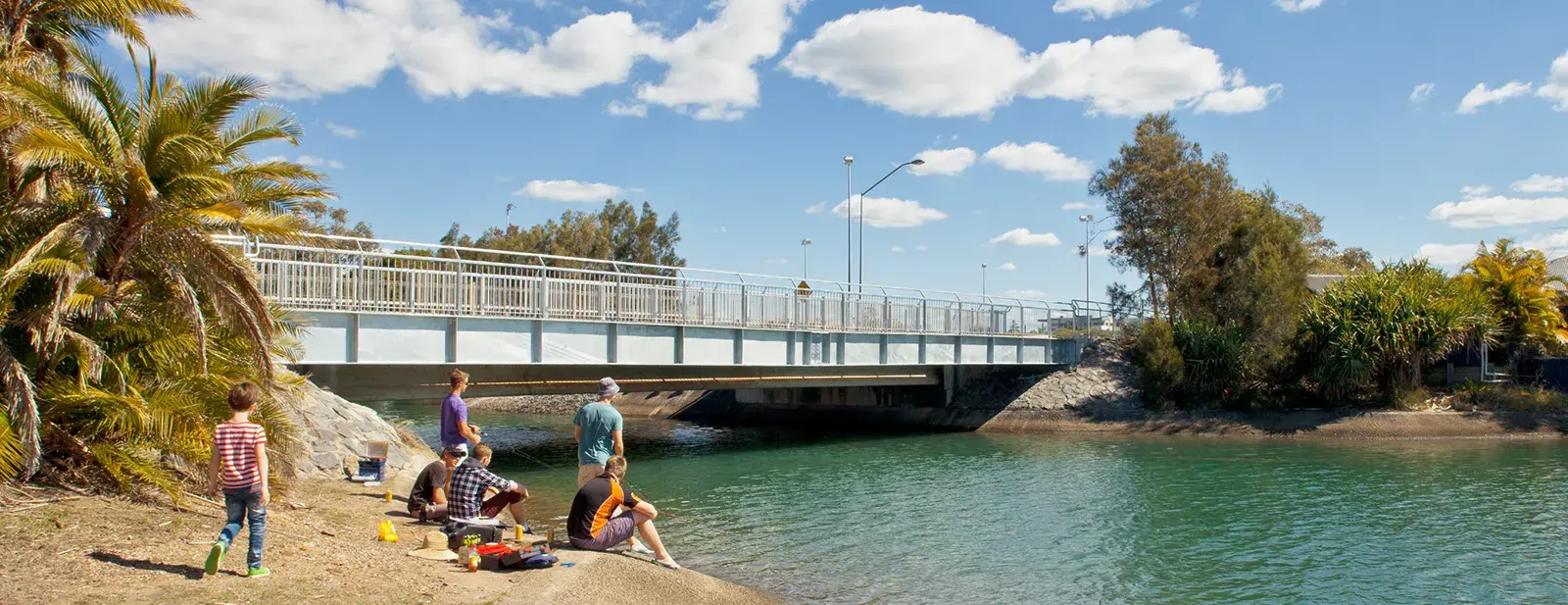
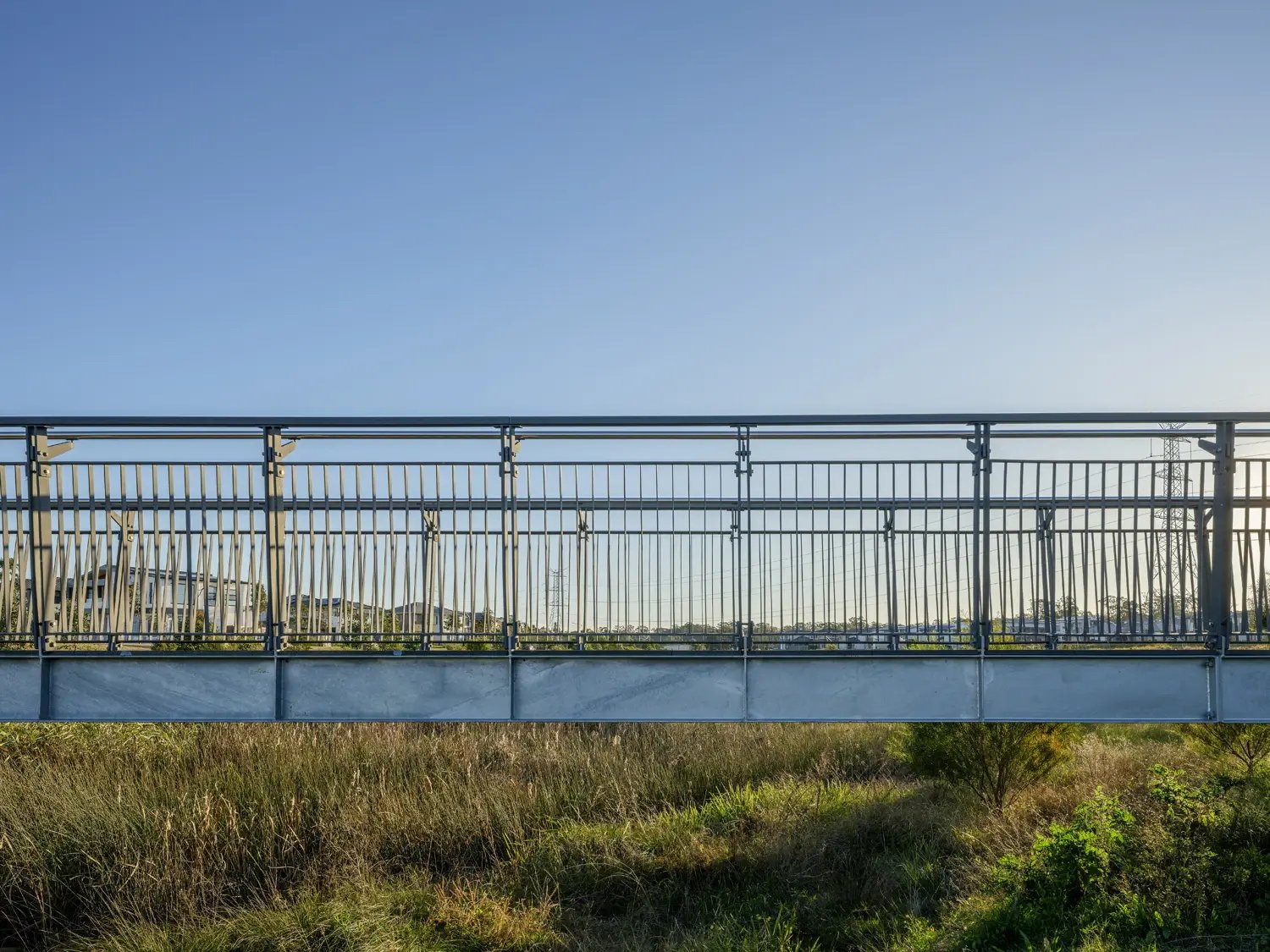
FORGE was contracted by Stockland to deliver a family of three new pedestrian bridges with spans ranging from 32-57 metres.
Bridge Case Studies
-
Brickmakers Drive Bridge
 Brickmakers Drive Bridge
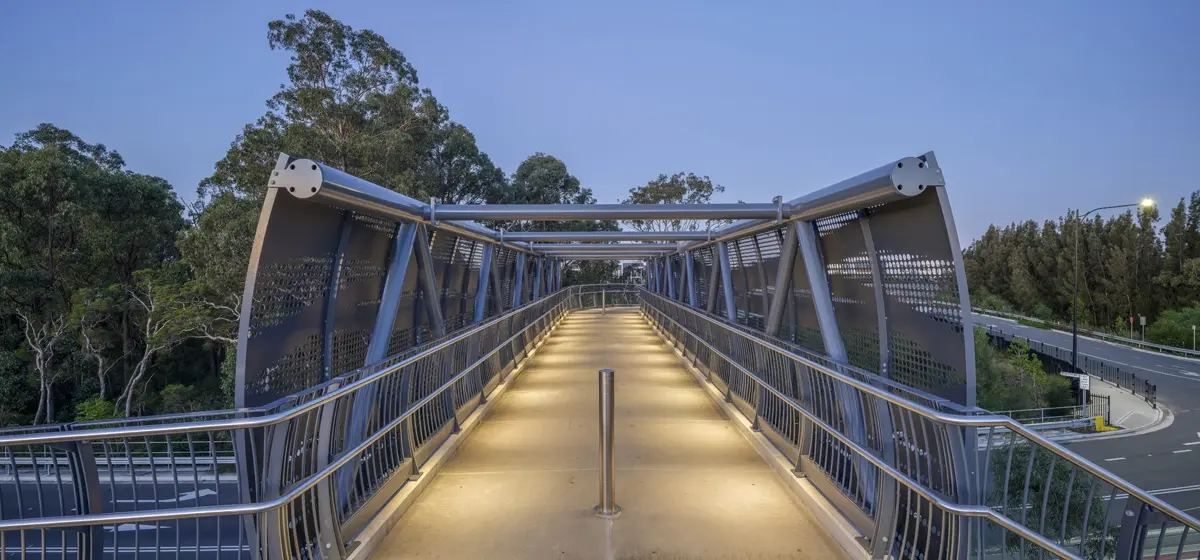
When a proposal from another civil contractor was deemed excessive in terms of both size and cost, Mirvac reached out to FORGE to deliver three significant access structures including a 24-metre truss bridge across one of south-west Sydney’s busiest roads.
Working together with Mirvac we scoped out an alternative bridge design, lodged the new DA and, on approval, moved straight into construction as the lead contractor.
-
Aura Brook Bridges
 Aura Brook Bridges
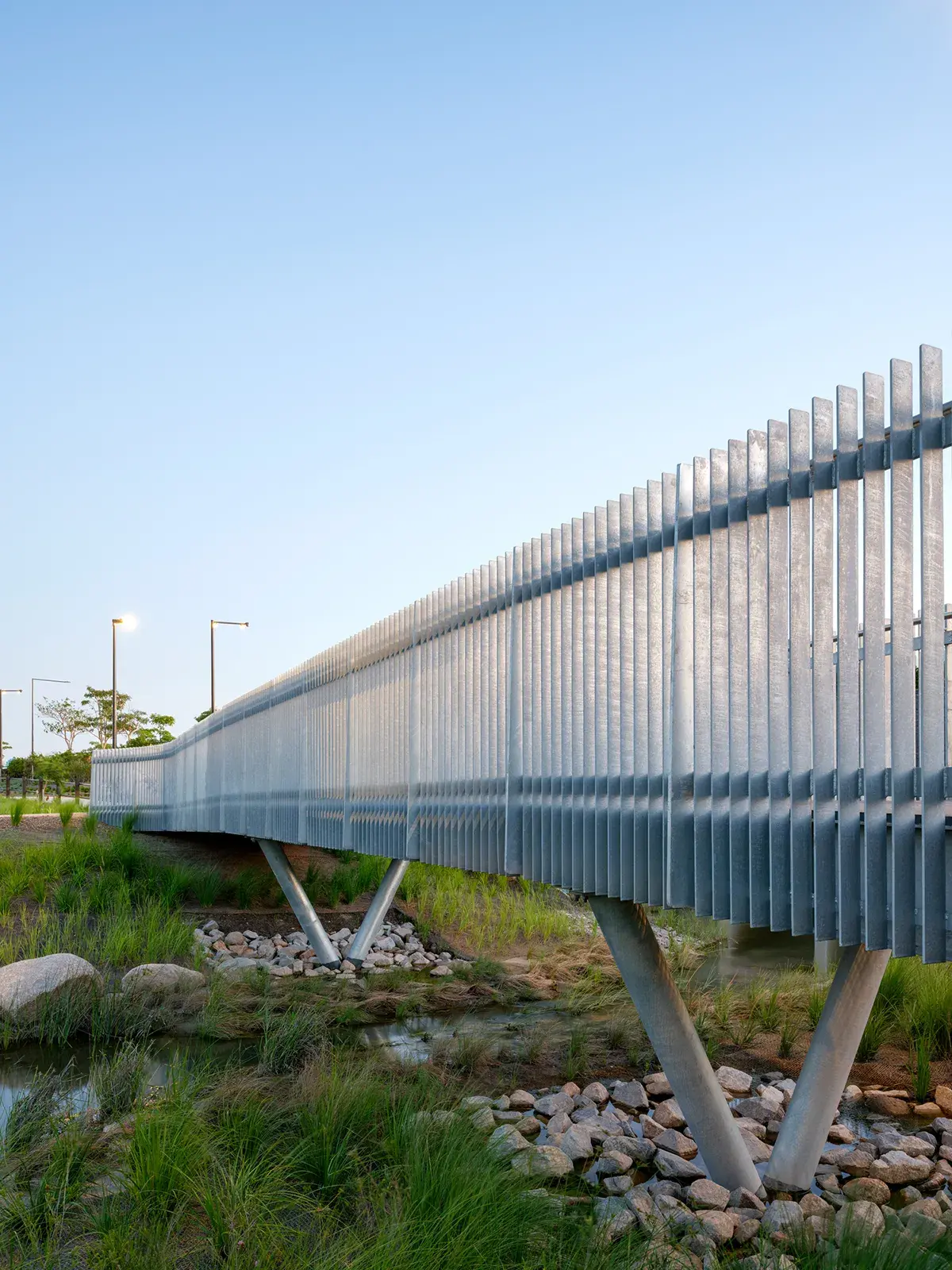
FORGE was engaged to detail, manufacture and deliver two new multi-span community pedestrian bridges for Stockland at Aura Brook on the Sunshine Coast.
Based on FORGE’s proprietary BALMORAL girder system, the first bridge featured a span of 32 metres with a steel substructure, architectural curved timber balustrades and high-strength low-weight FRP decking. The second 27-metre bridge featured customised curved galvanised steel balustrades .
-
Hamilton Street Pedestrian Bridge
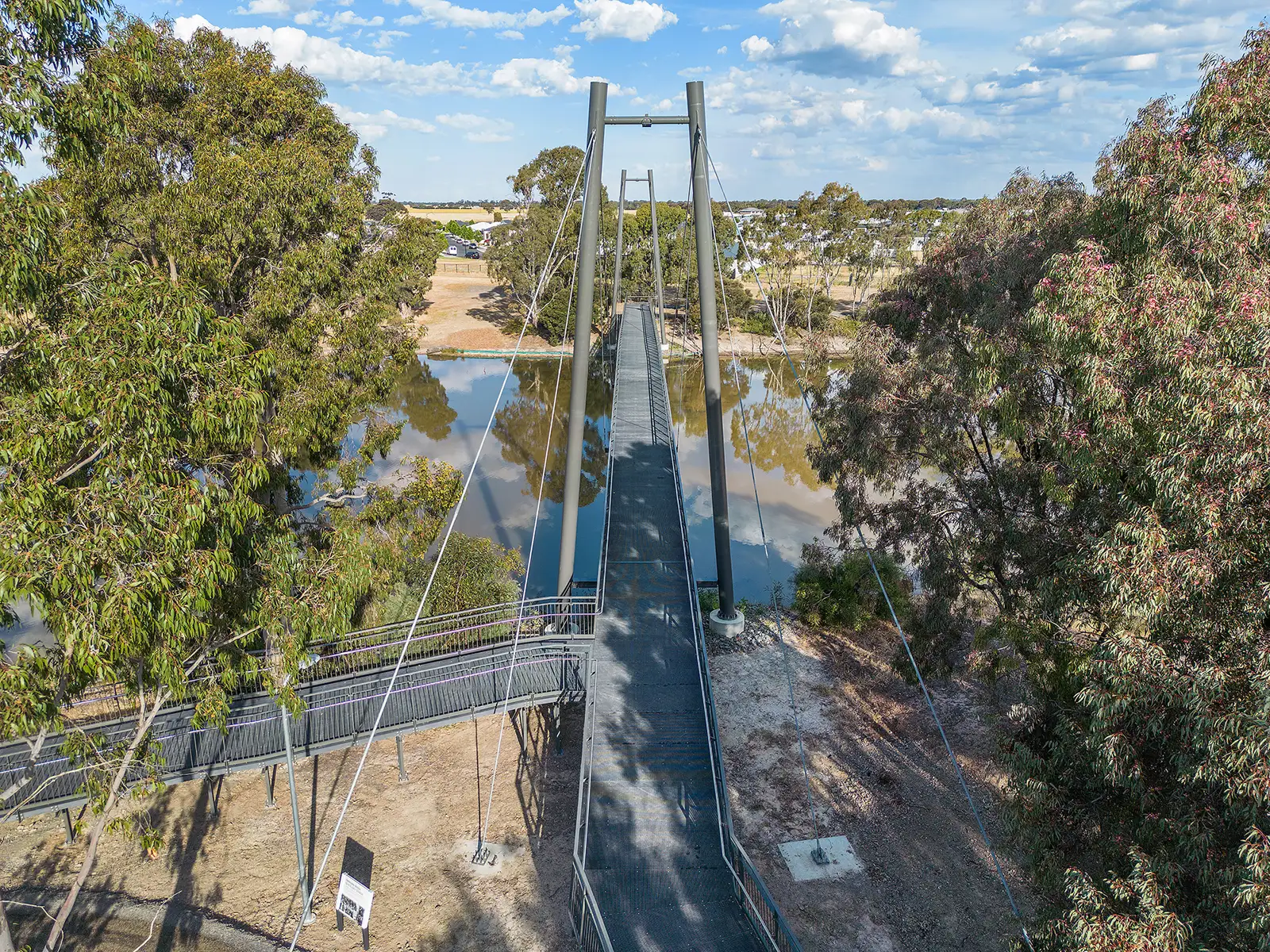 Hamilton Street Pedestrian Bridge
Stretching 73 metres across the Wimmera River in Horsham, this mighty cable-stayed pedestrian bridge is the longest single-span bridge FORGE has ever delivered. Creating a crucial link to the town centre for more than 2,000 residents and four schools, FORGE was appointed as lead contractor following a multi-million-dollar tender for Horsham Rural City Council.
-
Pyes Creek Swing Bridge
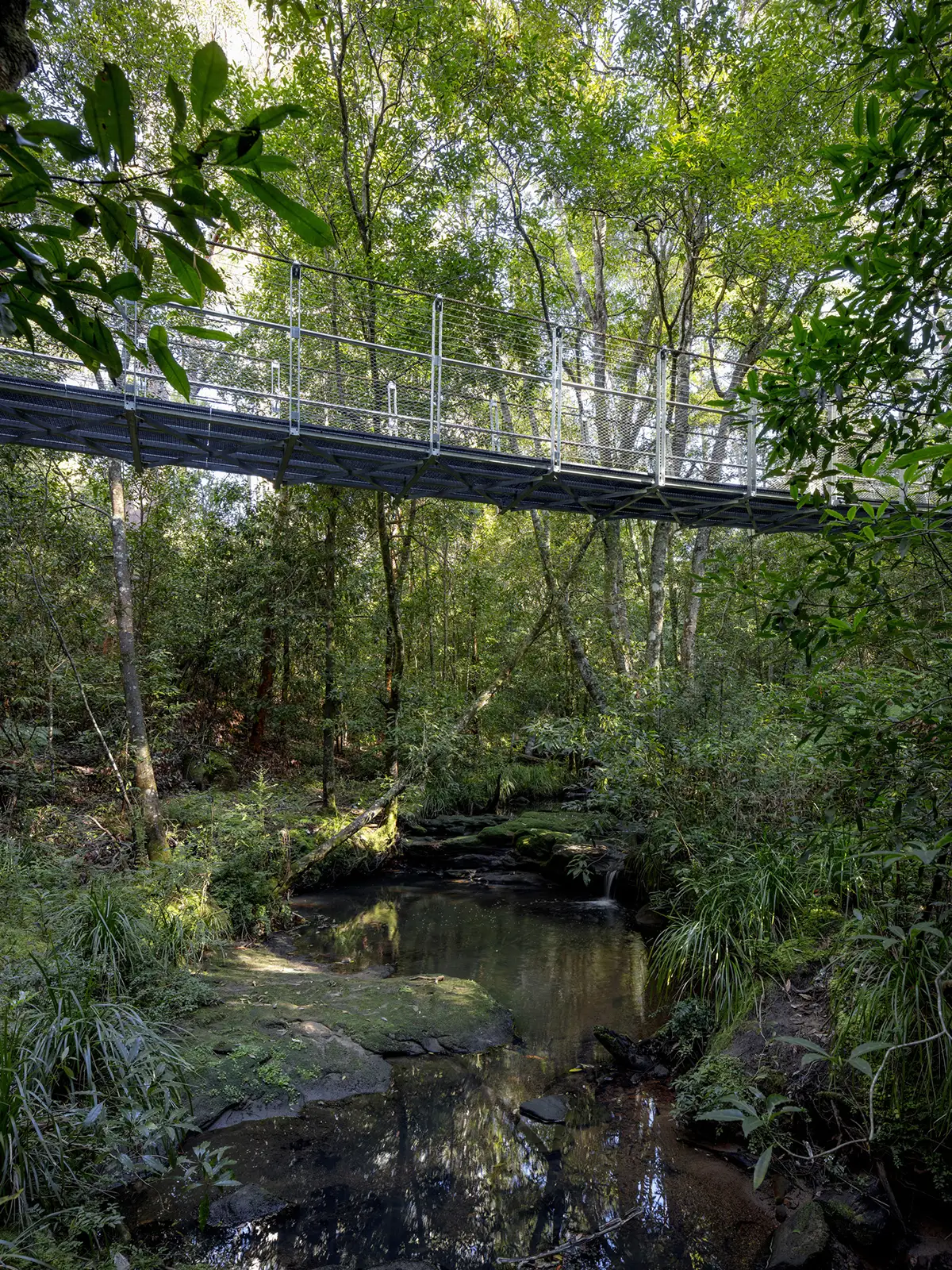 Pyes Creek Swing Bridge
Delivered for Hornsby Shire Council as part of the $250 million NSW Public Spaces Legacy Program, our brief was to design, manufacture and install a new pedestrian bridge across Pyes Creek, while causing minimal impact to the surrounding habitat and residents. The solution was a low-profile 50-metre swing bridge, connecting suburban Cherrybrook to neighbouring Dural .
-
Australian Botanic Gardens Shepparton Bridge
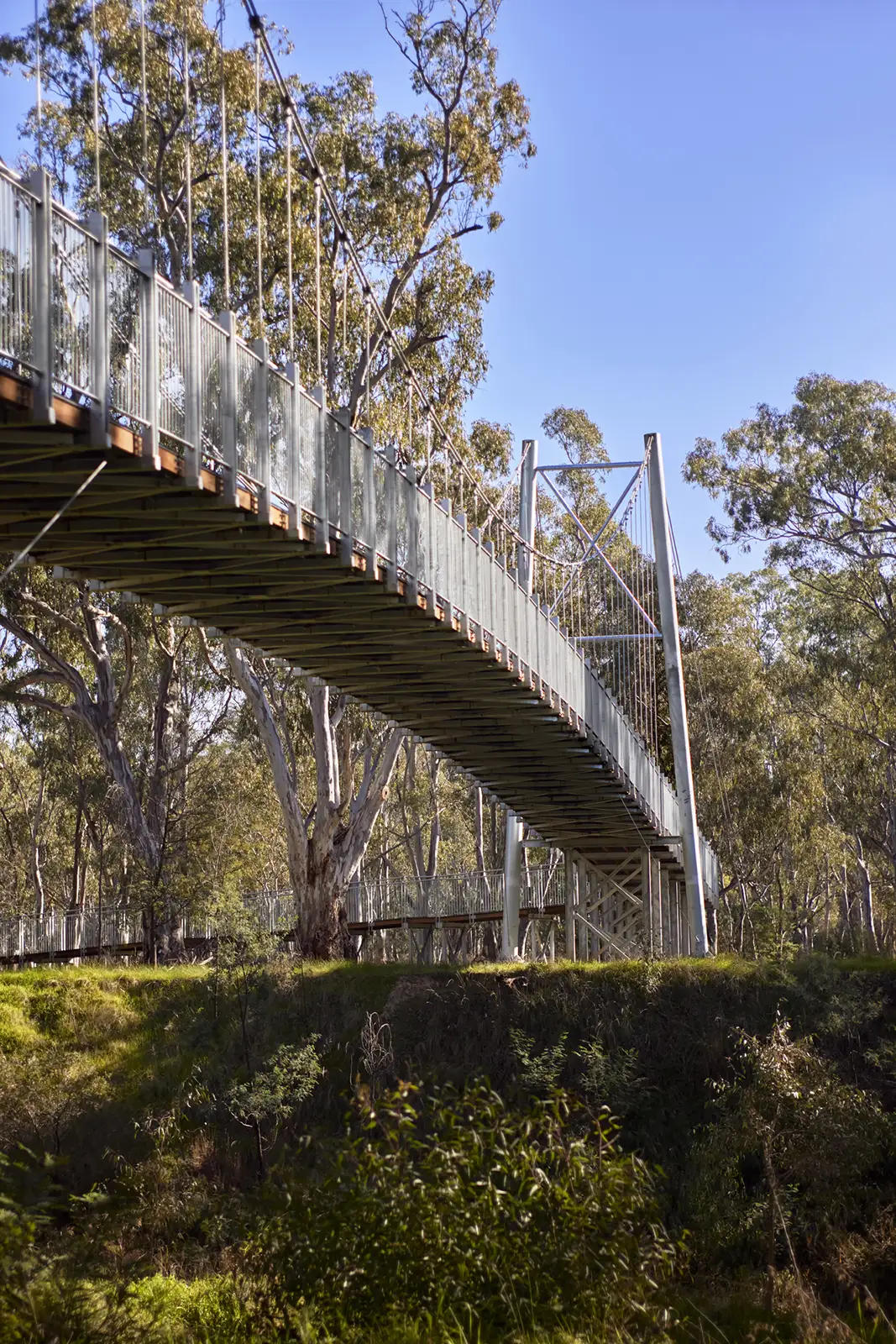 Australian Botanic Gardens Shepparton Bridge
Greater Shepparton City Council appointed FORGE as lead contractor to design and deliver a custom 55-metre suspension bridge across the Broken River to connect the popular Botanic Gardens to the Shepparton town centre. Despite numerous challenges—including unstable embankments, repeated flooding and even a magnitude 6.0 earthquake—all structures were successfully delivered as envisioned .
-
Jim Somerville Bridge, Narrabeen
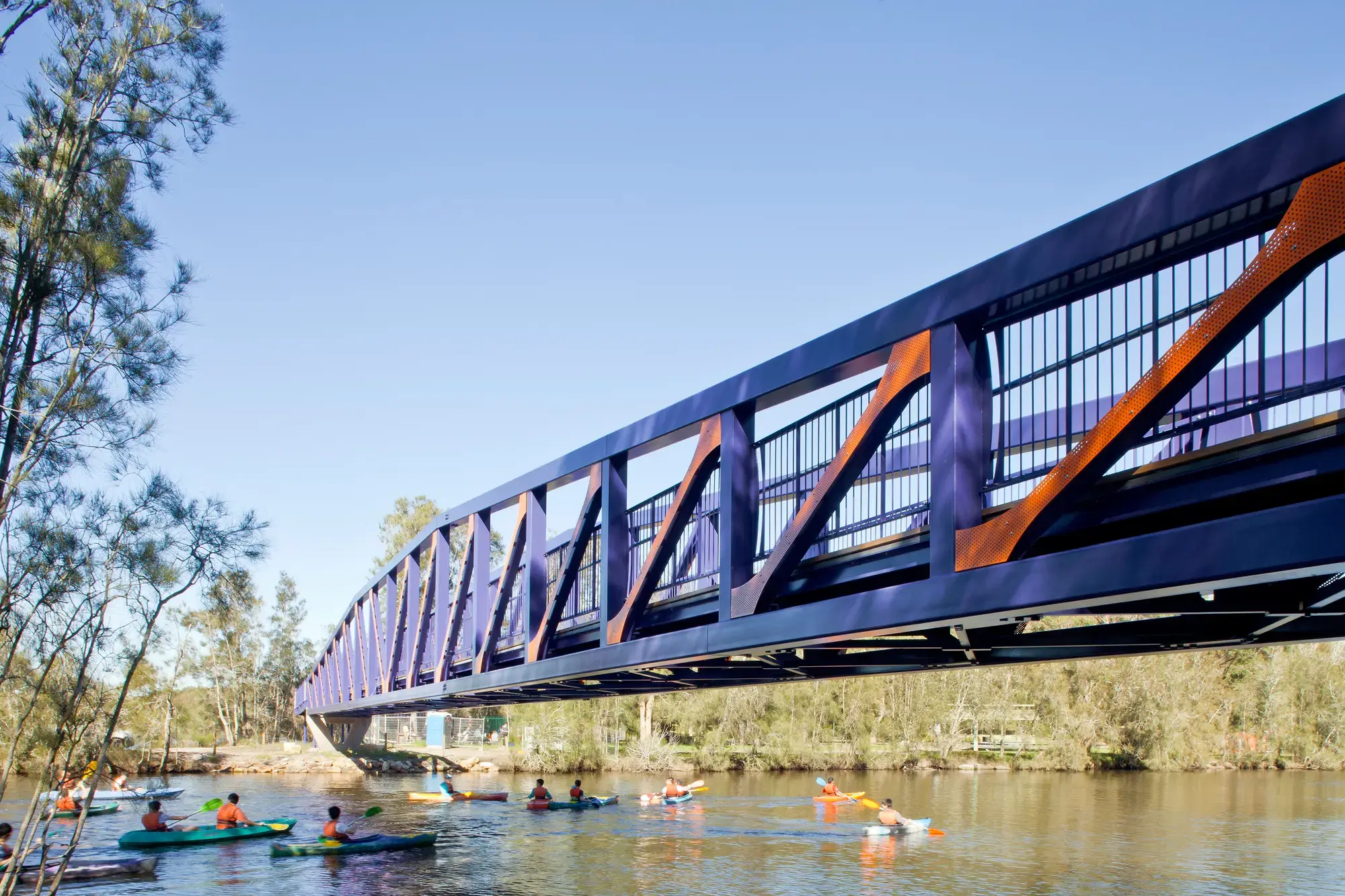 Jim Somerville Bridge, Narrabeen
FORGE was contracted by Northern Beaches Council to deliver two major pedestrian bridges at Narrabeen Lagoon—the largest coastal lagoon in Sydney. A highly complex project due to both the size and location of the new bridges, it was essential to design and install the structures in a way that ensured minimal disruption to the fragile riparian zone, while also meeting strict project budgets and timelines .
Common Bridge Delivery Questions
-
What types of bridges does FORGE design and construct?
FORGE is able to design and construct an extensive range of pedestrian bridges and cycleway structures with each solution tailored to the specific stakeholder, location, budget and community needs of the project. Our experienced team of in-house designers, engineers and installation experts can create entirely custom pedestrian bridge solutions to meet any location or span requirements, large or small. Alternatively, we can also call upon our proven range of proprietary FORGE bridge systems to drive major cost and time efficiencies—including truss, girder, suspension, cable and swing-based bridge designs. The right pedestrian bridge design will always depend on the project itself.
-
Who builds pedestrian bridges for parks and cycleways?
FORGE has more than 50 years of experience in pedestrian bridge and cycleway projects. We design and engineer community footbridges of all sizes and complexities for councils, government agencies, property developers, architects and landscape architects across Australia. Specialists in the design, installation and project management of pedestrian bridge and cycleway infrastructure, we also have long-term relationships with trusted manufacturing partners who are experts in steel pedestrian bridge fabrication.
-
What materials are most suitable for pedestrian and shared-path bridges?
Different bridges will require different materials, dependent on factors such as the project’s size, location, design and budget. Some of the more commonly used materials on FORGE pedestrian bridges and cycleways include sustainably sourced hardwood timber, galvanised steel, stainless steel and fibre-reinforced polymer (FRP) minimesh, mostly for decking.
-
How long does it take to design and build a pedestrian bridge?
Every project is unique so there’s no general rule. It may be just a few months for a simple structure on an easy-to-access site. Then again, it can be more than a year from concept to completion for more complex projects. Having said this, large or small, the key to a streamlined project outcome is early engagement with all key stakeholders and ongoing collaboration.
-
What factors influence the cost of a pedestrian bridge or cycleway project?
There are many factors—and they are all best considered as early in the development of your project as possible. Key cost variables for pedestrian bridge and cycleway projects typically include the site and location, the timeline, the desired creative vision and, of course, the size of the bridge itself. Material selection is also a major factor, with hard-wearing and lightweight and low-footprint options often delivering major cost-efficiencies. Guided by the FORGE Methodology our in-house team are experts at providing budget certainty well before construction begins—removing doubts and the need for costly contingencies.
-
How does FORGE ensure safety and compliance in bridge construction?
Safety is central to every project decision at FORGE, beginning with the design of pedestrian bridges and cycleways. Considerable thought is given to both structural integrity and user security. From an engineering perspective, bridges must be designed in line with all relevant AS codes and guidelines, ensuring they withstand not only the weight of pedestrian traffic but also environmental factors such as wind loads, seismic activity, flooding events and potential impacts from vehicles passing underneath. User security considerations extend to the provision of adequate lighting, clear sight lines and potentially surveillance systems to ensure that pedestrian bridges and cycleways feel safe and welcoming at all hours. Safe pedestrian bridge design eliminates hiding spots and create a sense of openness that promotes natural surveillance. In some cases, enclosed or partially enclosed designs might be considered to protect users from extreme weather conditions, but these must be balanced against security and ongoing maintenance considerations.
-
How do you ensure accessible bridge structures for public spaces?
FORGE understands that well-designed pedestrian bridges can significantly enhance connectivity by allowing for the safe and seamless flow of people between different areas of a community and other public spaces The primary challenge in designing these bridges lies in balancing functionality with accessibility. This necessitates careful consideration of approach ramps, stairs and potentially elevators, ensuring the bridge serves its intended purpose for the entire community.
-
What is your methodology for delivering bridges in environmentally sensitive and/or hard-to- access areas?
FORGE has extensive experience in designing and constructing pedestrian bridges and cycleways in environmentally sensitive and hard-to-access habitats. In many instances, the surrounding area will directly dictate the design of the bridge itself, with great care taken to ensure the structure has the lightest possible environmental footprint and is able to be installed with little (or even no) use of machinery. Some of our most impressive bridges and cycleways were entirely constructed by hand, including manually-driven piles and materials that were carried to the site on foot.
-
Does FORGE offer end-to-end services, from design to installation?
Yes. The FORGE Methodology is built upon a wholistic delivery offering that combines specialist design and design verification, structural engineering, manufacturing methodology, risk mitigation, planning capability, pre-assembly, project management and construction expertise, all from one team.
-
What are the maintenance requirements, and does FORGE offer this?
Every pedestrian bridge and cycleway has unique maintenance requirements to maximise its design life, influenced by its location, usage, design and materials. As the original designer and builder, FORGE provides a comprehensive maintenance manual with recommended scheduling intervals as part of the operational and maintenance handover documents. While many clients may choose to manage maintenance internally, FORGE also offers optional maintenance services for added peace of mind. These can be discussed during the design stage to ensure the most appropriate service package is selected for the project. As the team that designed and built the structure, we are uniquely well positioned to support its ongoing care.
-
Do you design and build custom cycle bridges for parks and public recreation areas?
Yes. FORGE is able to design and construct custom cycle bridges for virtually any application in parks and public recreation areas. Large or small, our experienced team of in-house designers, engineers and installation experts can create a solution to meet any location or span requirements.
-
How does FORGE integrate pedestrian bridges with existing community infrastructure?
Successful pedestrian bridge and cycleway projects don’t exist in isolation. They must be seamlessly integrate with existing infrastructure and future development plans. This requires close collaboration between many stakeholders including urban planners, transportation authorities and local community leaders. The FORGE Methodology always starts by considering how the new bridge will connect with existing pedestrian pathways, cycle routes and public transportation hubs with the goal of creating a cohesive network that enhances overall urban mobility. Additionally, we consider how the pedestrian bridge might affect or be affected by future development in the area. In-built flexibility in design can allow for potential expansions or modifications as the urban landscape evolves while minimising future community disruption and expense.
-
What environmental factors should be considered in the design and construction of pedestrian footbridges?
One of the main environmental considerations of pedestrian bridge design is material selection. At FORGE we typically recommend durable, low-maintenance, Australian-made materials that have a minimal environmental impact over the structure’s lifecycle—including during installation. Of course, pedestrian bridges and cycleways also contribute to broader sustainability goals by encouraging walking and cycling as alternatives to vehicular transport. By providing safer and more convenient community crossings, they can be especially effective at reducing reliance on cars for short trips, contributing to reduced traffic congestion and carbon emissions, with improved air quality in urban areas.
-
Does FORGE fabricate pedestrian bridges in-house?
No. While we have advanced pre-assembly capabilities in-house, we call upon long-term relationships with trusted manufacturing partners who are experts in steel pedestrian bridge fabrication.
-
What standards or certifications do FORGE bridges comply with?
While it varies from project to project according to the varying asset owner’s specific requirements, FORGE delivers every pedestrian bridge and cycleway in line with all applicable AS codes and guidelines. Most commonly these can include AS 2156 (The Walking Track Standard) and the Bridge Code, AS 5100.
Where We Work
-
Do you design and build bridges across Australia?
Yes, we do. FORGE has delivered hundreds of pedestrian bridges and cycleways nationwide. Our experience spans metropolitan, regional and remote locations across New South Wales, Victoria, Queensland, South Australia, Western Australia, Tasmania, the ACT and the Northern Territory.
-
Which regions do you service for bridge design and construction?
FORGE services bridge design and construction projects Australia-wide. We work across New South Wales, Victoria, Queensland, South Australia, Western Australia, Tasmania, the ACT and the Northern Territory, delivering pedestrian bridges in metropolitan, regional and remote locations. Our flexible delivery model means we can support projects wherever they are required.
-
Can FORGE design and construct bridges in remote or regional parts of Australia?
Yes. FORGE has extensive experience delivering complex bridge infrastructure in remote and regional parts of Australia. Many of our projects take place outside metropolitan areas, including regional centres such as Shepparton (VIC), Tamworth (NSW) and Dalby (QLD). Working in non-metropolitan locations requires careful planning, logistics and specialist construction methods, and FORGE’s expertise ensures projects are delivered safely, efficiently and to the highest standards.
-
Do you work with local councils on bridge upgrades or new pedestrian bridges?
FORGE works with LGAs across Australia to design and construct new pedestrian bridges and cycleways. We also have decades of experience in delivering cost-effective upgrades and replacements for older community access structures that are no longer safe or fit-for-purpose.
-
How do geographic conditions influence bridge design?
Geography and site characteristics always play an important role in the design of a new pedestrian bridge. Prevailing weather systems, tides, flood zones, soil conditions and access points must be carefully taken into account to ensure the recommended bridge design, materials and construction methodology are safe and fit-for-purpose, while also offering the maximum possible design life for that location.
-
Can you construct bridges within national parks or protected environments?
Yes. FORGE has considerable experience in delivering bridge projects in some of Australia’s most pristine locations and national parks. Of course, working within sensitive and protected habitats requires meticulous planning and project management guided by strict, pre-approved environmental management plans.
FORGE Delivered
-
What is the typical lifespan of a FORGE-built bridge?
Operational lifespan can vary significantly from bridge to bridge and is dependant on many factors. These include the location, size, weather and soil conditions, construction materials, usage volume, the style of bridge chosen and the level ongoing maintenance able to be provided. At FORGE we work closely with clients and project partners to maximise the design life of every structure we deliver and offer industry-leading structural guarantees to provide peace of mind for all stakeholders for years to come.
-
Do you provide custom bridge designs or only standard options?
Depending on your vision, budget and project requirements FORGE is able provide both custom and standard bridge options. We can also tailor bridge designs that combine the two—bringing you the cost and time efficiencies of a proven base system from our proprietary bridge catalogue, with custom embellishments and finishings to meet your creative vision for the project.
-
Can bridges be prefabricated off-site to reduce construction time?
Yes, bridges can be prefabricated off-site, and at FORGE this is a core part of how we deliver efficient projects. The way we design our bridges means that we can fully or partially pre-assemble structures in controlled conditions, ensuring high quality and precision. Prefabrication reduces on-site construction time, minimises disruption to communities and delivers cost efficiencies, making it the preferred approach for many of our projects.
-
What information do I need to start a bridge project with FORGE?
Every pedestrian bridge and cycleway project begins differently. Sometimes our clients already have a very clear view of what they want for their new bridge. Other times, they’re still forming that view with only a top-level idea of what they’d like to achieve—but no strong view on exactly how to achieve it. Both options are entirely normal. To help us add maximum value to the early stages of your bridge project we’ll sit down to discuss key information including:
(1) What is the desired end outcome for your bridge project?
(2) What are the characteristics of your project site?
(3) What is the project budget and timing? -
Do you collaborate with landscape architects and developers?
Absolutely, in fact we find the more collaboration on bridge projects the better - especially in the critical early design stages of the project. By partnering up-front to fully understand your vision, budget, timeline and any other key requirements or project risks, we can collaboratively identify the very best solution for your brief, long before you need to commit to a construction contract.
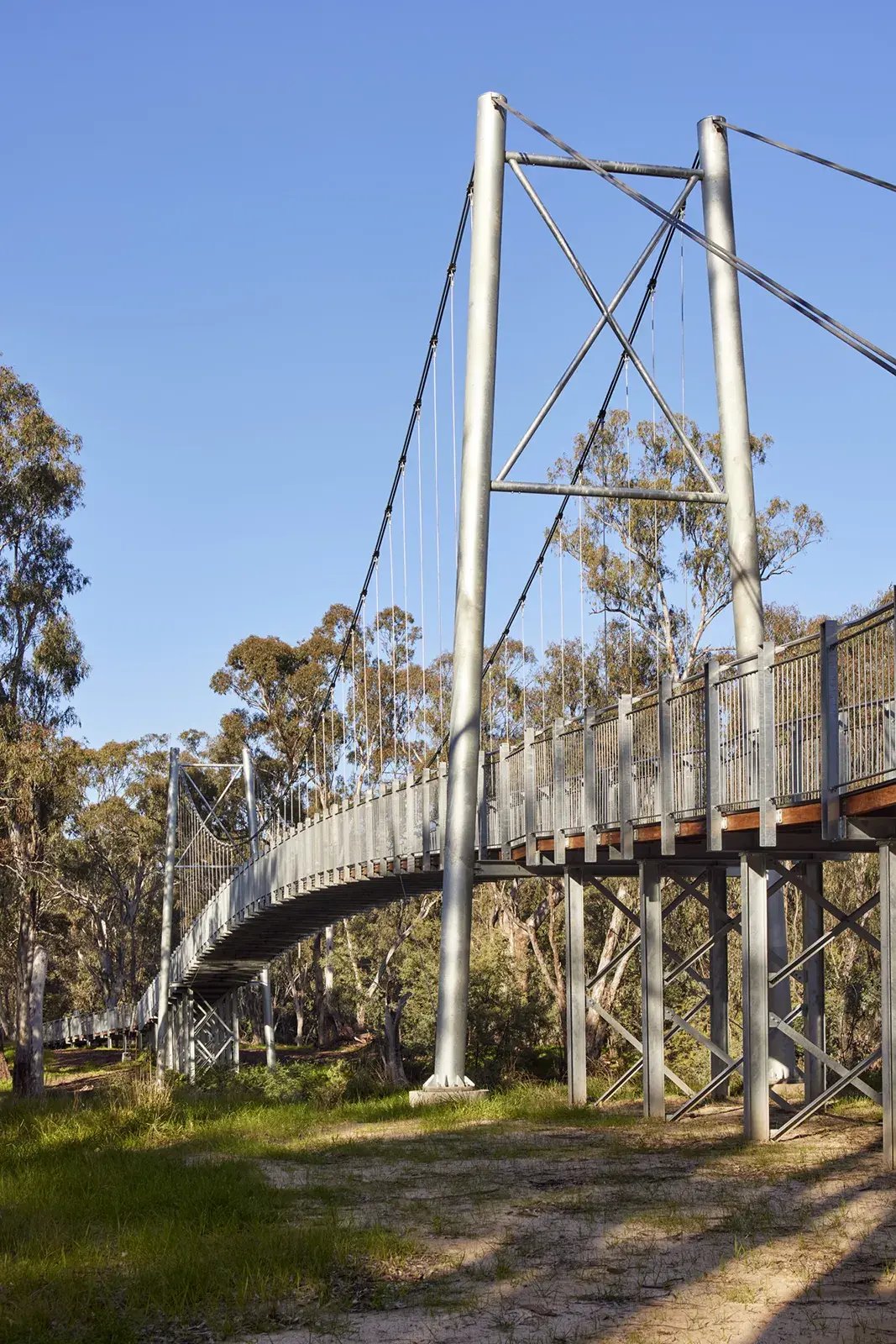
More Bridges by FORGE
-
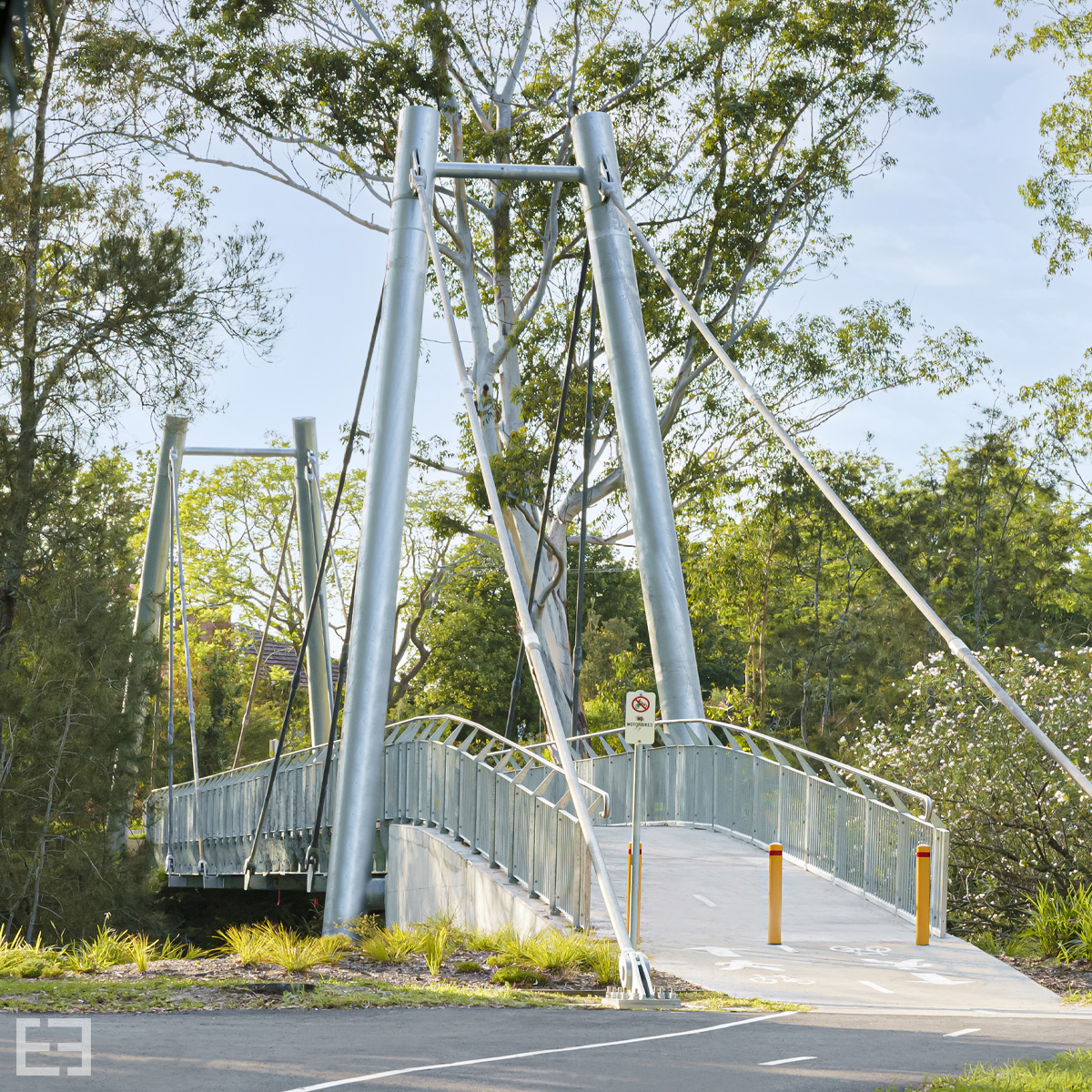
Dora Creek Pedestrian Bridge
Watagan Park is a major urban release near Cooranbong, 120km north of Sydney. As part of its approval for further expansion of the Watagan Park community, Lake Macquarie City Council required the developer, Johnson Property Group, to deliver a new 50-metre clear span pedestrian and cycling bridge across nearby Dora Creek.
Having already completed another bridge in the same area, FORGE was contracted by Johnson Property Group to design and construct the new structure. Engaged early in the process, we were able to offer significant input to reduce the inherent project risks – influencing the design, confirming feasibility, informing the budget and creating a methodology that worked for both the client and the site.
-
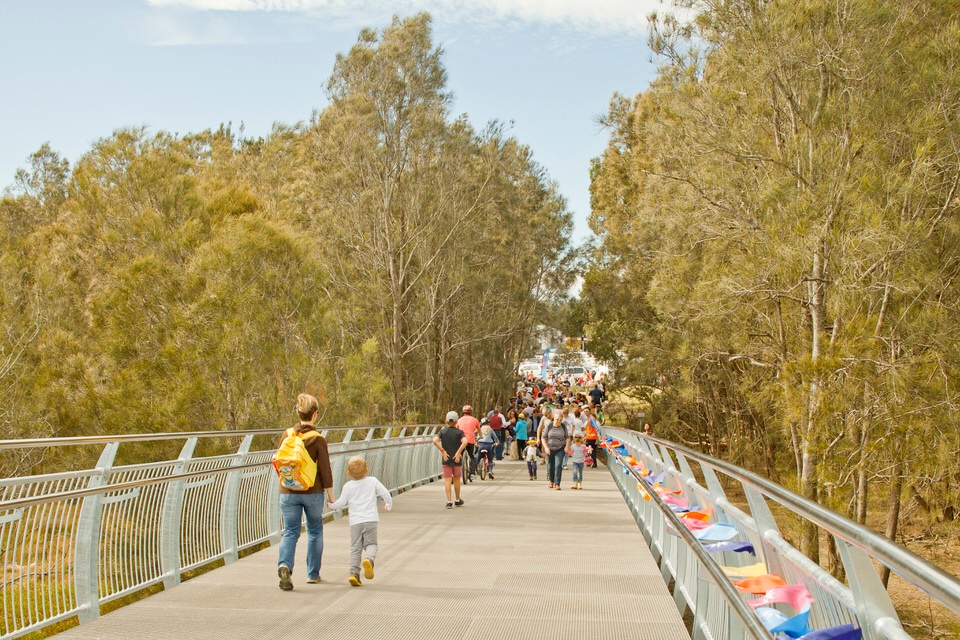
Saltwater Creek Cycleway
Saltwater Creek on the shores of Tuggerah Lake is one of the Central Coast’s favourite tourist spots. A sensitive mangrove habitat, the creek was also a natural obstacle on the busy walking track that connects Killarney Vale and Long Jetty, making an ecologically responsible pedestrian/cyclist bridge a much-needed piece of infrastructure for the Central Coast Council.
Guided by our proprietary project Methodology, stage one saw us collaborate closely with the Council to assess and understand the local ecosystem, and match the project's specifications with product selection.
-
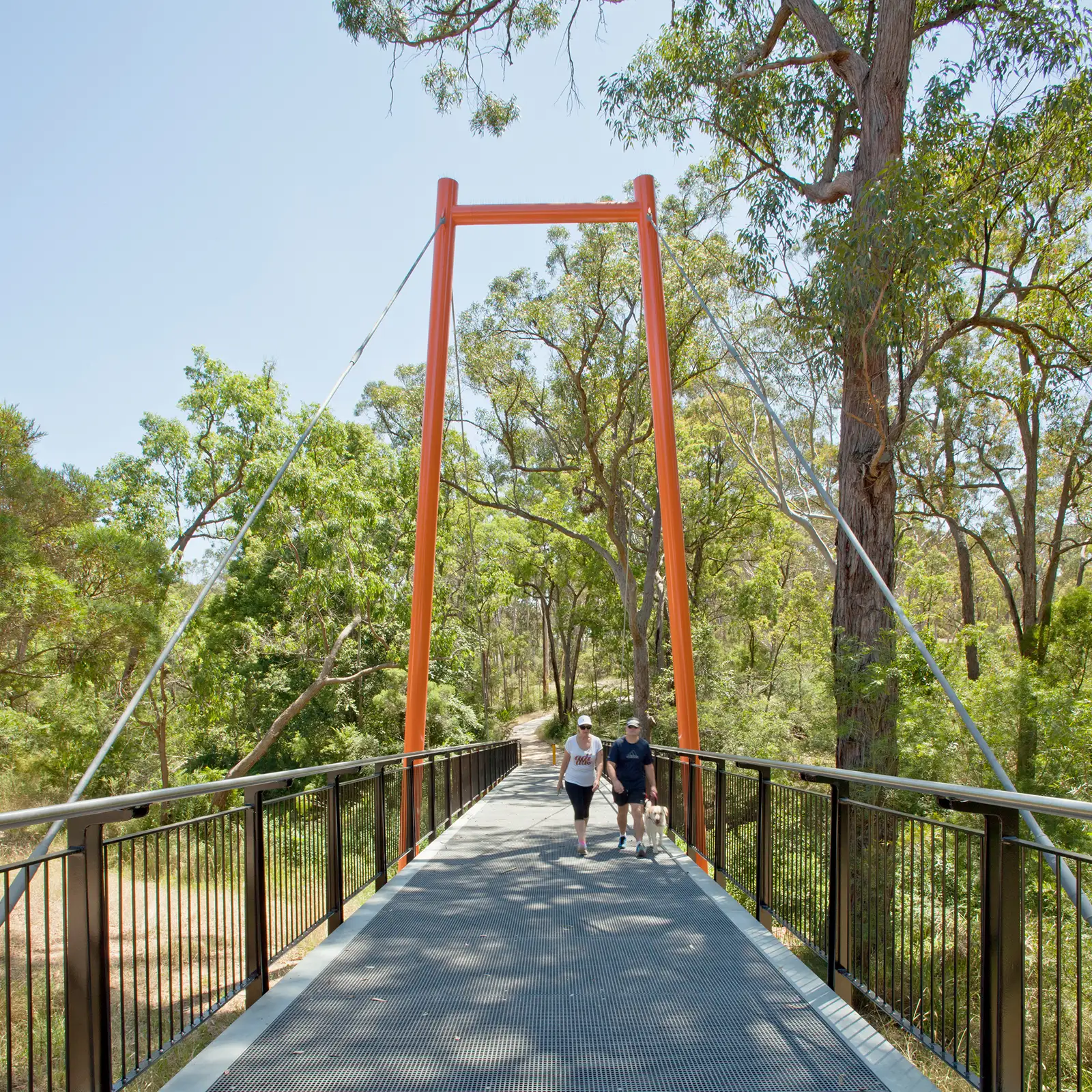
Smalls Creek White Gum
Hills Shire Council wanted to improve community access through local bushland at Kellyville North in Sydney’s north-west.
Following an open tender, FORGE was appointed as the lead contractor to deliver concrete approach paths and a new cable-stayed pedestrian and cycling bridge across Smalls Creek, based on our Stirling bridge system.
With busy Wellgate Avenue and a major residential area immediately to the west and local bushland to the east, the project required clever design, careful planning and ongoing community consultation. From award to completion we had just nine months to make it all happen. And we did.
CONTACT US
Let’s Discuss
Your Project
Get in touch with our multidisciplinary team to start bringing your vision to life, unlocking the potential of your project and supporting your success every step of the way.
