Every pedestrian bridge and shared path in Australia is subject to a range of standards covering everything from structural integrity and geotechnical performance, to accessibility.
Given no two structures or sites are every the same, navigating your obligations is rarely straightforward, and when standards overlap or conflict, the consequences can be costly.
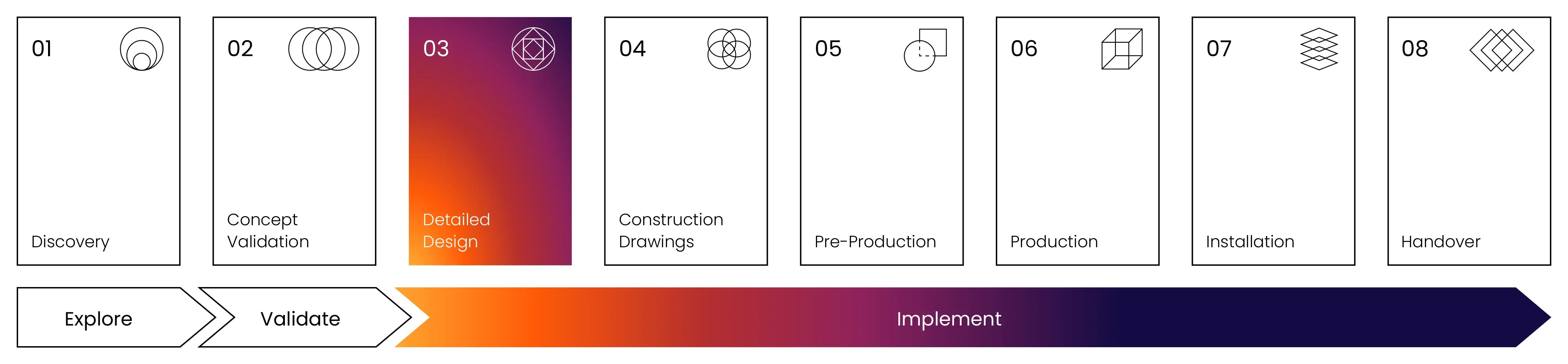
That's why a central pillar of our in-house delivery process—The FORGE Methodology—is to identify, document and agree which standards apply, and how they apply, at the earliest possible stage of your project.
One asset. Multiple standards. Competing interpretations.
A pedestrian bridge or shared path may be considered a single structure by the asset owner. Yet from a design perspective it can easily sit across AS5100, AS2156 and AS1428 creating ample opportunity for confusion, scope creep and potentially legal exposure.
Without clear and up-front collaboration between all project stakeholders, your design, engineering and consultant teams may interpret the same wordings very differently—and your compliance risk can snowball as a result.
Time and again we hear of clients getting caught off-guard late in delivery when an assumption made at the design stage is suddenly challenged, triggering expensive redesigns, delays and uncomfortable conversations about who carries the cost.
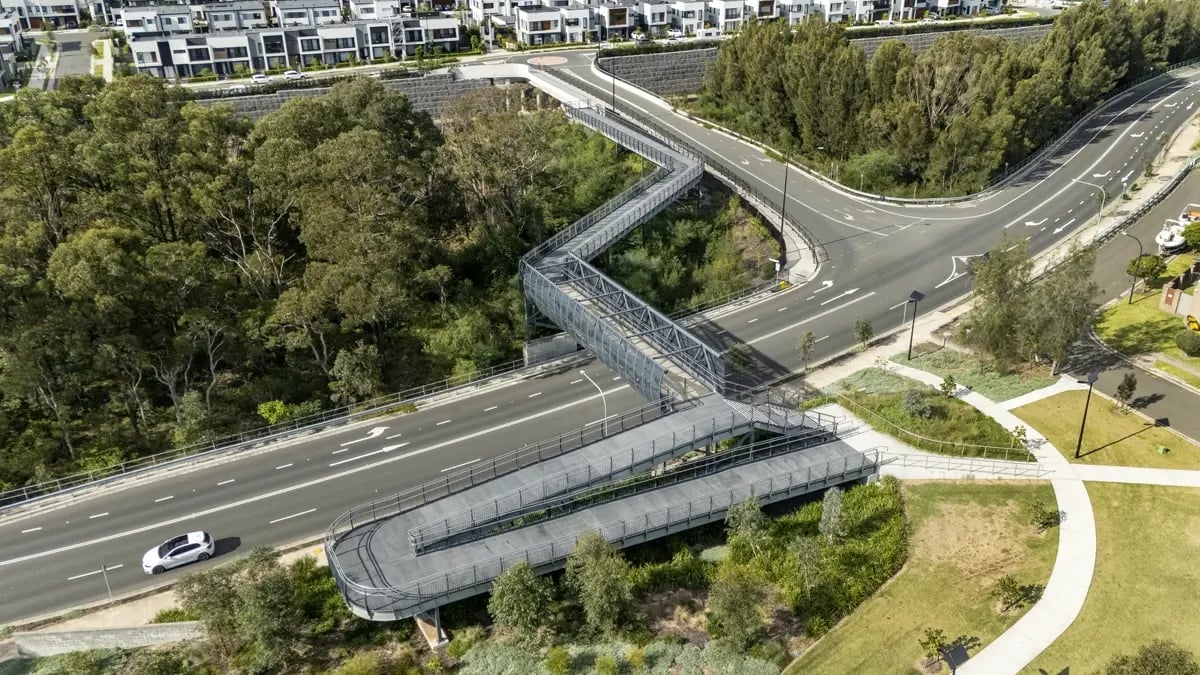
Above: Pedestrian bridge over Brickmakers Drive featuring an 80-metre eastern boardwalk, 75-metre western boardwalk, and a 24-metre truss span installed over an active arterial road.
Common compliance mistakes on bridge projects.
- Overlapping standards increasing coordination risk
- Ambiguity in language causing inconsistent design decisions
- Accessibility compliance impacting cost and constructability
- Unclear design life assumptions exposing long-term risk
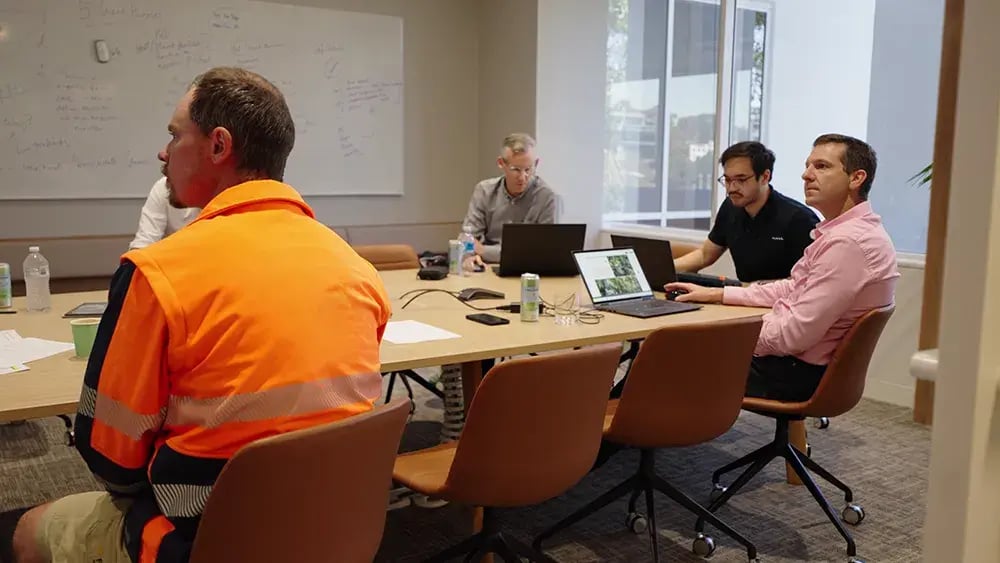
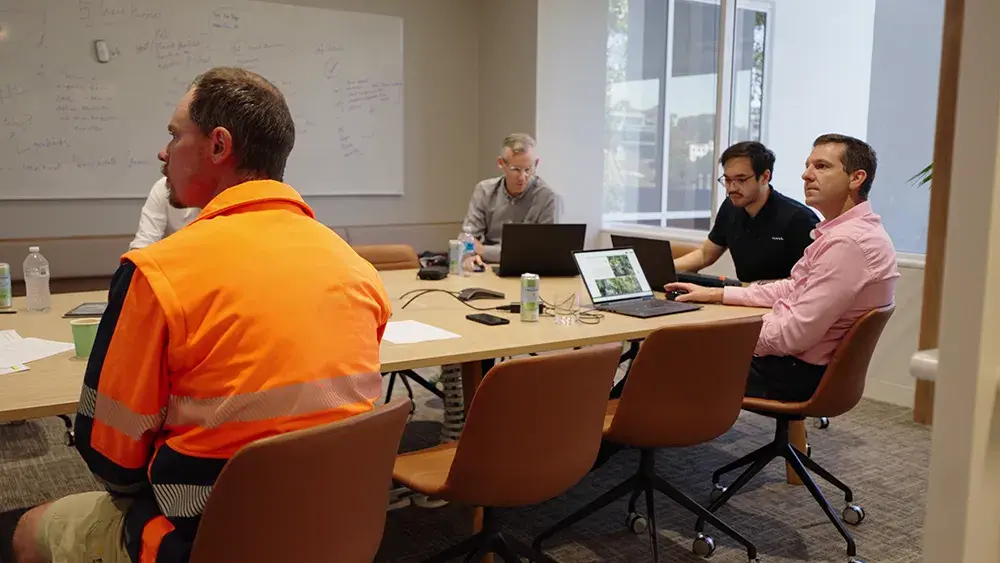
Above: The team shown was hand-selected for a hybrid swing bridge project, tailored to its specific technical requirements. All FORGE complex bridge project teams are multidisciplinary, spanning sales, design, pre-construction, engineering and construction.
Collaboration drives confidence.
The FORGE Methodology actively removes compliance uncertainty from the outset of your project. Our in-house design, engineering and delivery specialists operate under a single delivery framework and work hand-in-hand with each other, and your other delivery partners.
Standards are interpreted consistently. Responsibilities are clearly allocated. And you can be confident in every design decision long after your project is complete.
Do you want greater compliance certainty? Put the FORGE Methodology to work on your next complex bridge project. Get in touch to find out more.